Spend a full day in the wine villages on the slopes of the Troodos mountains and discover the secrets of Commandaria, the world's first named wine and a PDO product. The tour leaves Limassol every Sunday at 09:00 from the Havouza bus station and lasts about 7 to 8 hours, with a tour escort, vehicle transport and lunch with one drink included.
On the way you come to Agios Mamas, a small village built in an amphitheatric layout on the eastern slopes of the Troodos mountains, at the eastern foot of Mount Zalaka. Named after a Christian martyr, the village served as a key substation for the island's most ambitious industrial feat, the aerial railroad. This massive ropeway carried asbestos from the Troodos mines directly to the Limassol pier, known to this day as Enaerios, and as a vital midway point Agios Mamas was essential for the operation and maintenance of the 36-kilometre line.
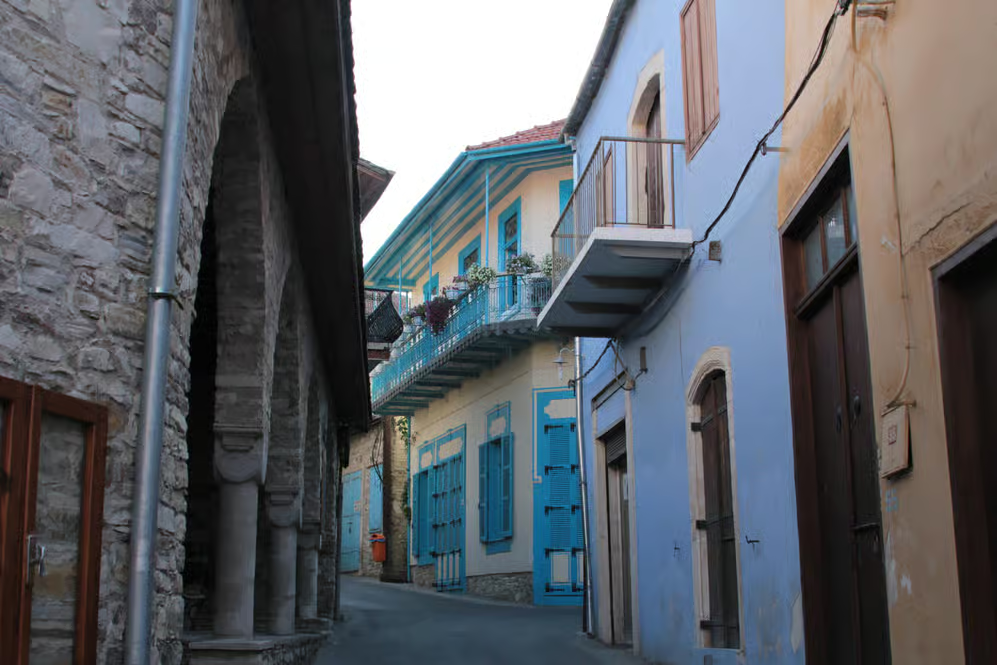
Lania, also known as Laneia, is a village where ancient history meets royal legend, with roots that may stretch back to the Late Bronze Age, around 1600 BC. It was a vital link on the copper route between the Troodos mines and the processing centre of Alassa, and although the area is largely unexcavated, fragments of pottery from the Cypro-Geometric era often emerge from its soil. Its name is said to come from Lana, the daughter of Dionysus, the god of wine, which underlines a winemaking heritage that has defined the village for millennia. Its most famous story is the legend of the Lusignan King Henry, who reportedly turned to Lania's resilient vines when disease destroyed the grapes of the Champagne region, taking cuttings back to replant the hillsides of France. Today Lania is a picturesque haven of flower-lined streets and traditional wine presses.
In Lania you also step back in time at the Linos of Laneia, a beautifully preserved open-air museum that was once the centre of local production. This historic storage museum shows the traditional linos, a massive wooden wine press used for centuries to make Commandaria. As you walk through its stone-walled courtyard, you discover the old techniques that turn sun-dried grapes into the world's oldest named dessert wine.
In Zoopigi you enter the world of the Wine of Kings at the Commandaria Historical Museum, a modern architectural landmark in the heart of the exclusive 14-village production zone, dedicated to the 800-year legacy of Commandaria, a Protected Designation of Origin treasure. Four chronological galleries trace the wine from its ancient origins as Nama to its naming by the Knights Templar in 1192, through replicas, ancient wine vessels, traditional wooden presses and original concrete reservoirs from the 1940s. The museum stands right next to the historic Zoopigi Winery, founded in 1940, so you see the traditional sun-drying process before the visit ends in the tasting hall, where you sample the rich, amber-hued wine that Richard the Lionheart once called the King of Wines.
Pelendri was a prominent medieval settlement and once the noble fiefdom of John de Lusignan, Prince of Antioch. Today it is one of the most picturesque villages in Cyprus, known for its beautifully preserved traditional architecture, its winding cobblestone streets and its stone-built houses set in the mountain scenery. A true highlight is the carefully restored mansion on the southern edge of the village, a rare glimpse into the region's cultural heritage and noble past.
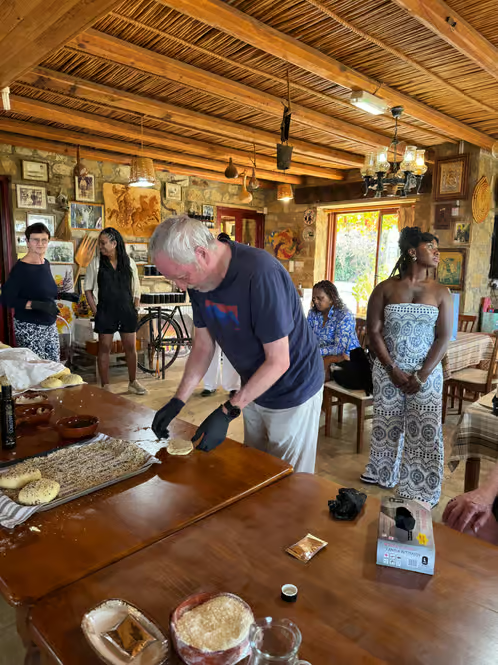
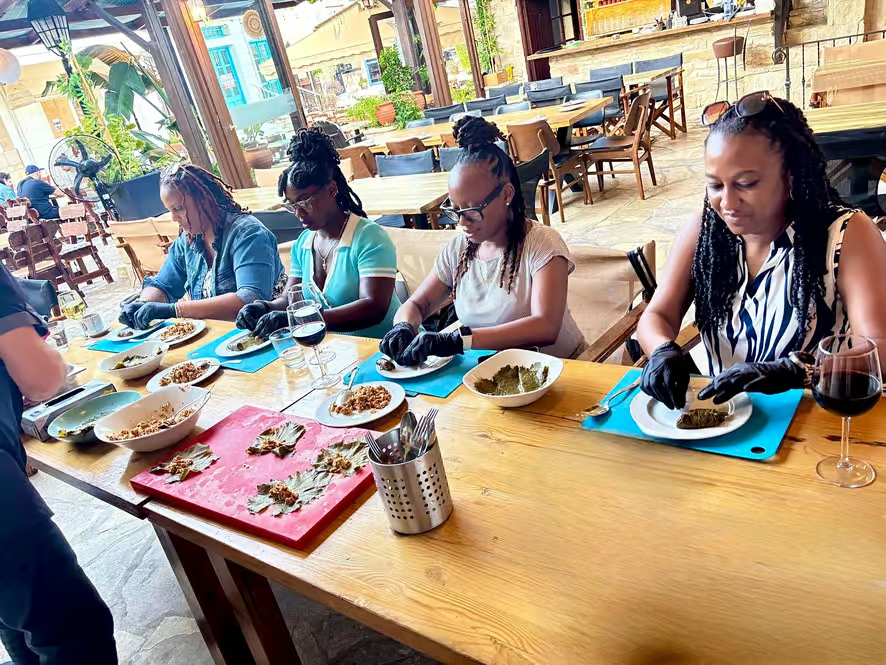
Lunch with one drink, culinary demonstrations and the entrance fees for wineries and museums are included. Additional drinks are at your own expense. The tour needs a minimum of two participants. Shoes with non-slip soles are mandatory. Hotel pick-up is not included, so please make your own way to the Havouza bus station in Limassol.